
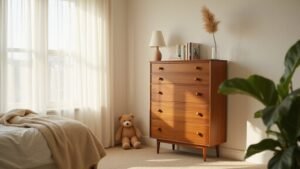
If you’re wondering what a chest of drawers is, you’re not alone. It’s a sleek, tall furniture piece with stacked drawers that fits into tight spaces, perfect for storing clothes and toys without taking up too much room.
Its compact size makes it ideal for bedrooms with limited space. Keep reading to learn how to choose the safest and most functional one for your home.
What Exactly Is a Chest of Drawers?
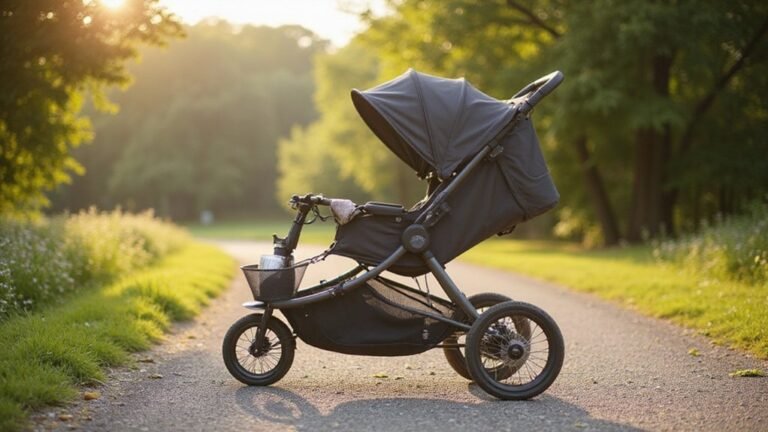
A chest of drawers is a freestanding piece of furniture designed with multiple drawers stacked vertically. Its primary function is storage, allowing you to organize folded clothes, linens, or toys efficiently. Unlike cabinets with doors or shelves, a chest relies solely on a series of parallel drawers, which slide in and out easily for access. Typically, this furniture piece is tall and narrow, making it ideal for saving space in your room. The number of drawers usually ranges from four to six, providing ample room while maintaining a compact footprint. For even greater capacity, some models offer eight drawer configurations for larger families. Material options vary from solid wood and engineered wood to metal, influencing both durability and price. When choosing baby gear, it is important to consider crib mattress dimensions to ensure a safe fit with the nursery furniture. Design styles range from traditional models with legs or feet to sleek, low-profile modern bases, catering to different decor preferences. For active parents who also need outdoor mobility, finding the right gear involves comparing top jogging strollers that offer stability and storage.
How Is a Chest of Drawers Different From a Dresser?
A dresser and a chest of drawers differ primarily in shape and layout. A dresser is wider, shorter, and positioned horizontally, usually featuring multiple rows or columns of drawers that come in various sizes. Its deeper drawers are ideal for bulkier items like sweaters and linens, and the top surface often accommodates décor or a mirror.
In contrast, a chest of drawers is taller, narrower, and stands vertically. It typically has one stacked column of uniform drawers, which are shallower—perfect for folded clothing like T-shirts or underwear. Its vertical design fits well into tighter spaces, allowing you to maximize storage without taking up much floor area. Both pieces are available in materials like wood or composite and come in a range of colors to match your child’s room décor. To ensure safety, just as with car seat covers that require proper installation and fit, parents should regularly inspect the drawers and hardware for wear or damage.
Why a Chest of Drawers’ Tall Design Saves Floor Space
A tall chest of drawers saves floor space by stacking storage vertically instead of spreading out. Typically, these pieces are 40 to 60 centimeters wide, which helps preserve valuable room to move around. This compact footprint allows you to fit multiple drawers—often five or six—into a slender, column-like form, maximizing storage without taking up much floor area. With this vertical design, you can save about four square feet in small rooms like bedrooms under 12 by 12 feet, compared to a low dresser. This arrangement frees up space for a chair or walkway, making your room feel less crowded while still providing ample storage for clothes and accessories. When choosing between a chest and a low dresser, the price and comfort of each option can help you decide which better suits your family’s daily needs. Variations in style—from modern minimalism to classic designs—and material options such as solid wood or MDF give you flexibility to match your room’s look and your budget. For parents, this space-saving design can also keep baby gear essentials organized without cluttering the nursery floor. A chest of drawers can even be paired with a Pack ‘n Play to create a streamlined, efficient nursery layout for infants.
Where Did the Chest of Drawers Come From?
Early makers created chests of drawers using highly skilled craftsmanship techniques. They primarily built these pieces from oak, later shifting to walnut and mahogany as preferences and materials evolved. The furniture was often raised on bun feet or simple stands to give it stability and an elegant profile. Wooden pulls were initially turned by hand, providing a functional grip, before decorative brass fittings became popular for their durability and style. This design gradually moved from noble households into widespread use, offering a practical, space-efficient storage solution that has remained essential for centuries. For parents with active lifestyles, mastering how to fold a jogging stroller involves similar attention to mechanical components as historical chest craftsmanship, including troubleshooting stuck folding mechanisms. Unlike a chest of drawers, a nursery recliner or glider offers different benefits for soothing your baby. Parents should note that, for safe sleep, using a crib mattress in a pack ‘n play is not recommended due to fit and suffocation risks.
How Many Drawers Should a Chest of Drawers Have?
A chest of drawers with 4 to 6 drawers is usually sufficient for storing everyday folded clothes for a single adult. If you’re using it as your main storage piece, aiming for 5 or 6 drawers provides ample space. Shared bedrooms or couples often benefit from 6 to 8 drawers to accommodate everyone’s belongings. For smaller rooms, a 3- or 4-drawer chest is ideal because vertical storage saves valuable floor space. Keep in mind that more drawers do not automatically translate to more usable space—deep drawers often outperform shallow ones. A model with five deep drawers can match the storage capacity of one with seven shallow drawers. Opt for graduated layouts: shallow drawers at the top for accessories, and deeper drawers at the bottom for larger items like sweaters. Consider drawer style and material as well; sturdy wood glides typically last longer, and soft-close hardware helps prevent pinches, especially in households with children. When in doubt, choose a slightly larger size to avoid overcrowding, which can sabotage organization. Just like a tight fit is essential for car seat covers, ensuring drawers slide smoothly without gaps prevents items from shifting and becoming disorganized. Prioritizing safe installation is equally important for furniture stability as it is for a car seat. Some parents find that using a hospital-grade pump can significantly improve milk output during the early weeks of breastfeeding.
What Are Typical Chest of Drawers Dimensions?
Typical chest of drawers dimensions range from 44 to 60 inches in height, 30 to 40 inches in width, and 16 to 20 inches in depth. These measurements make them versatile for combining storage and fitting into tight spaces. Taller chests, nearing 60 inches, maximize vertical storage, while shorter options around 44 inches work well in smaller rooms. Depth varies from 16 inches for slim designs to 22 inches for deeper models, with some fabric towers as shallow as 11 inches. Widths can go up to 72 inches for larger capacities, offering flexibility based on your storage needs. When choosing, consider the material—solid wood adds weight and durability, whereas engineered wood keeps the piece lighter. Decorative features like carved fronts or metal pulls can add to the overall dimensions slightly. Drawers generally measure between 4 and 6 inches in height and 4 to 8 inches in depth, providing a variety of storage options. Always measure your space carefully before making a purchase to ensure the chest fits perfectly. Just as you would compare quality, performance, and value when selecting a car seat, evaluating these dimensions and materials ensures the best fit for your nursery. For added safety, consider the crib mattress dimensions to ensure compatibility with any convertible furniture.
Where Can You Use a Chest of Drawers in Your Home?
Because chests of drawers offer vertical storage with a compact footprint, you can use them in nearly every room of your home. In your living room, they work well as a TV stand or console table, providing space to tuck away remotes, games, and blankets. They can even serve as a room divider when placed strategically. Your entryway benefits from a chest of drawers as a landing zone for keys, mail, and seasonal gear, helping keep that first impression neat and organized.
In the bedroom, they save floor space and can replace a traditional nightstand, offering storage for clothing or personal items. Bathrooms can be tamed by using a chest of drawers for towels and toiletries, while in the kitchen, they function as a sideboard for dishware and linens. Even in a home office, they serve as a convenient spot for storing files and tech accessories. Decorative finishes allow you to match any room’s décor, and material options ensure durability where you need it most. A chest of drawers truly adapts to your needs across your home.
How a Chest of Drawers Organizes Your Child’s Room
A chest of drawers is an effective way to organize your child’s room by keeping clothes, small items, and toys neatly contained. Assigning specific drawers for daily essentials, like underwear and pajamas, allows your child to find what they need quickly and encourages independence. Store larger, bulkier items such as sweaters in deeper bottom drawers to maximize space. When selecting or building a chest, paying attention to sturdy construction helps prevent tipping and ensures long-term safety. For example, you can disassemble your Graco Pack ‘n Play safely for storage or travel when needed.
Using vertical folding techniques makes it easier to see all items at a glance and saves space. Drawer dividers and clear containers help keep small belongings like socks, hair accessories, and art supplies separated and easy to locate. Labeling drawers with pictures assists children who can’t read yet in sorting their belongings independently.
A well-organized chest reduces clutter and visible mess, preventing clothes and toys from spreading across the room. It also streamlines morning routines and bedtime cleanup. Even a small chest can serve as nursery decor and adapt over time as your child’s needs change. Involving your child in choosing how to organize their drawers fosters good habits and a sense of responsibility. Parents should also be aware that similar to other baby gear, a chest of drawers does not have an infant car seat expiration but periodic safety checks for sturdiness and tip-over risks are still essential.
What Safety Features Matter Most for Parents?
The most important safety feature is wall anchoring. Use restraints that fasten to a wall stud to prevent the chest of drawers from tipping over if your child climbs or pulls on it. This simple step can reduce the risk of serious injury or accidents.
Anti-tip restraints are essential, but also consider drawer locks—these limit how many drawers can be opened at once and prevent children from pulling out heavy or dangerous items. Stops inside the drawers prevent full removal, reducing the chance of finger injuries.
Rounded edges, soft-close drawers, and non-toxic finishes also improve safety by reducing injuries and exposure to harmful substances. Position the furniture away from beds or windows to discourage climbing and tipping. Regularly inspecting hardware for loose screws, hinges, or misaligned drawers helps maintain safety over time.
Always supervise your child around furniture, especially if it’s not fully anchored. Never override or disable safety devices like drawer locks. Heavier items stored in lower drawers improve stability and always open one drawer at a time to prevent tipping.
Is a Chest of Drawers Right for Small Bedrooms or Kids’ Rooms?
A chest of drawers is a practical choice for small bedrooms or kids’ rooms because its tall, narrow design makes efficient use of vertical space while preserving floor area. Measuring between 33 and 38 centimeters in depth allows it to fit into tight spots, but you still need at least 45 to 60 centimeters of clearance for the drawers to open comfortably. Proper measurement of width, depth, and height is essential to avoid blocking door swings or walkways. When choosing between a chest of drawers and a dresser, safety is a key factor because chests pose a tipping risk if not anchored to the wall, making them less suitable for children without proper securing.
Placing a chest next to the bed can serve as a convenient bedside storage unit, eliminating the need for an additional bedside table. In kids’ rooms, it helps keep small clothing items like socks and underwear organized and frees up floor space for laundry baskets or a desk. Ensure the ceiling height supports the vertical design; if not, consider a low, wider piece that can help support a mattress or hold a mirror without crowding the room.