

If you’re trying to decide between a tall, narrow piece or a wider, lower one for your space, you’re not alone.
The difference often boils down to size, style, and room layout. A chest of drawers is slim and great for tight spots, while a dresser offers more surface area for larger rooms.
Keep reading to find out which option fits your needs best.
Chest of Drawers vs. Dresser: What’s the Real Difference?
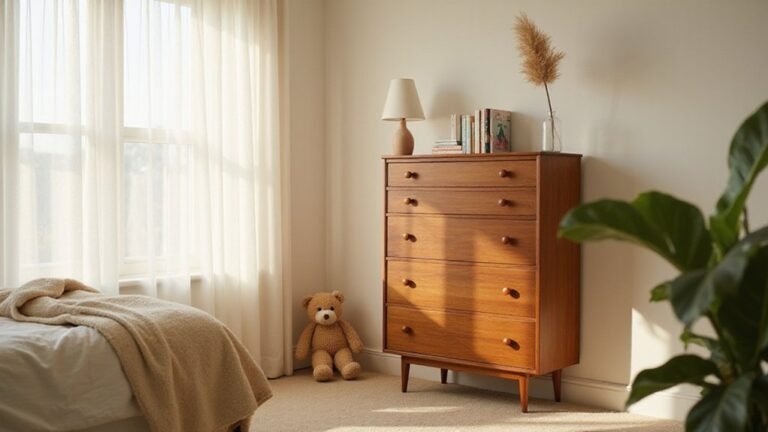
A dresser is low, wide, and horizontal, while a chest of drawers is taller and narrower. The main difference lies in their shape and orientation. Dressers provide more surface area on top, making them suitable for placing items or decorations. Chests of drawers maximize vertical storage, fitting into tighter spaces and often used in bedrooms with limited room. When selecting between the two, consider your space constraints and what you need to store. Both come in various finishes like solid oak or engineered wood, so check the material’s durability for long-term use. A dresser is ideal if you need wider drawer space for bulkier clothing, whereas a chest of drawers is better for efficient corner storage. Pay attention to the quality of paint or veneer, as it impacts the furniture’s longevity and resistance to daily wear. Just as with seat cover materials, the durability of the wood or finish you choose will significantly affect how well your furniture withstands daily use.
Chest of Drawers: Height, Width, and Typical Drawer Count
A standard chest of drawers measures about 44 to 54 inches in height and 30 to 40 inches in width. This size is ideal if you want vertical storage without taking up too much floor space. Typically, it has 4 to 6 drawers stacked vertically, which helps organize your belongings efficiently. Taller models can include up to seven drawers, providing additional storage without expanding the width. Keep in mind, focusing on height and drawer count means you’ll have more vertical space but less horizontal spread—perfect for tighter or narrower areas. When choosing one, consider the material; solid wood offers durability, while engineered options still provide good strength at a potentially lower cost. Also, explore the color options—neutrals work well with most decor, but bold stains can make your piece stand out. For those with a nursery or small dining area, similar principles of comfort and convenience apply when selecting furniture that complements the room’s function.
Dresser: Shape, Size, and Drawer Configuration
Dressers are wider and shorter than chests of drawers, providing more horizontal surface area for organizing and displaying items. They typically feature multiple columns of drawers rather than a single vertical stack. Common configurations include rows of double-wide drawers for bulkier items like bedding, which support shared storage and make categorization easier. Materials vary from solid wood to engineered composites, with decorative hardware such as knobs or pulls accenting the fronts. The top drawers are usually shallower for frequently accessed items, while the deeper lower drawers optimize storage space. The broad top surface also serves well for lamps or decorative objects. Overall, dressers emphasize horizontal spread, making them an ideal choice for bedrooms where both storage and display are needed. This design approach contrasts with crib storage solutions, where crib mattress dimensions ensure a safe and snug fit for infant sleep.
Dimensions: Chest vs. Dresser
A chest of drawers typically measures 44 to 60 inches in height and 24 to 40 inches in width, focusing on vertical storage in a compact footprint. Its narrow size means it can fit into tighter spaces without sacrificing much in storage capacity but requires 36 to 48 inches of front clearance for easy drawer access. On the other hand, a dresser usually spans 50 to 70 inches across and stands about 30 to 36 inches tall, offering a broader top surface for accessories or decor. Both styles share a depth of 16 to 20 inches, making them suitable for various room sizes. Be aware that, similar to tandem strollers, which prioritize vertical layout, a chest of drawers efficiently uses height over width to conserve floor space. For optimal protection in cold climates, you might also consider car seat covers for winter, which offer similar space-saving benefits by focusing on insulation and fit. To ensure the chest fits securely in your room, follow the tight fit guidelines from user manuals to avoid wobbling or tipping.
Choosing between them depends on your room’s dimensions. If space is limited, a chest’s vertical design allows it to fit into narrower areas. Conversely, a dresser’s wider surface is better for rooms with ample wall space but less vertical clearance. Material options and color choices are similar for both, so your decision may mainly hinge on available room width and height. A dresser requires more wall space horizontally, while a chest can fit into tighter spots without reducing storage capacity.
Why a Chest of Drawers Works Better in Small Spaces
A chest of drawers can be a smart choice for small spaces because it saves about 4 square feet of floor area compared to a standard dresser, which is especially valuable in rooms under 12 by 12 feet. Its vertical design draws the eye upward, helping to make the ceiling feel taller and the room less cluttered. You can place it in tight corners, behind doors, or beside beds without overwhelming the space. For breastfeeding parents, many models offer insurance coverage for compatible pumps, easing the financial burden of storage solutions. With dedicated drawers for different categories—such as socks, T-shirts, and sweaters—you stay organized and reduce rummaging. If you need to move the piece, knowing how to locate release points on the drawer slides can help avoid damage to the frame and hardware. The variety of color options allows you to match the piece to your decor, while the top surface can be decorated with a lamp or a plant for added style. Its tall profile also makes the top drawers less accessible to toddlers, making it a practical choice for family areas.
When a Dresser Makes More Sense for Your Bedroom
A dresser works better in a spacious bedroom with plenty of floor space. Its low, wide profile requires a generous wall placement, which helps anchor the room visually. The broader footprint means you get a larger top surface, ideal for placing a mirror or decorative items without cluttering the space. The varied drawer sizes provide flexibility for storing folded clothes, accessories, and everyday essentials efficiently. When your room can handle the width without obstructing traffic flow, a dresser creates a grounded, furniture-forward focal point that balances style and function.
Which Storage Piece Is Best for Folded Clothing and Accessories?
A dresser is the best storage piece for folded clothing and accessories when you want to organize both in one space. Its deeper drawers with varied sizes allow you to separate smaller accessories like jewelry or scarves from bulkier items such as sweaters or pants. This flexibility makes it easier to keep everything accessible and tidy. A dresser also provides multiple compartments for daily essentials and keepsakes, making it a versatile choice. If your goal is to store both clothing and accessories together, a dresser offers a practical solution that keeps your items neatly separated and easy to find. For those needing ample storage, chests with eight drawers offer superior organization for a wide range of items. Just as a convertible car seat offers a longer lifespan by adapting to a child’s growth, a dresser’s adaptable drawer sizes extend its usefulness as your storage needs change. Before filling the drawers, run simple safety checks to ensure the dresser is stable and will not tip over.
How to Tell a Chest of Drawers From a Bureau or Highboy
A chest of drawers is a tall, narrow piece with a single vertical stack of drawers, typically measuring around 30 to 36 inches high and about 18 to 20 inches wide. It usually features one column of drawers, making it ideal for use in bedrooms where vertical space is limited. While a chest of drawers is perfect for vertical storage, a newborn swing often requires a much larger footprint** for stability. For parents balancing nursery furniture with baby gear, ensuring your chosen car seat fits securely** is equally important to maintaining safe clearance and organization.
A highboy, on the other hand, is also tall but often has a more pronounced, multi-tiered silhouette with an upper section of smaller drawers or a cabinet on top of a base, sometimes reaching 60 inches or more in height. The design emphasizes stacked, dramatic layers that maximize vertical storage in tight spaces.
A bureau generally refers to a piece with a chest-like form, but especially in European contexts, it often includes a hinged writing surface. In the U.S., it more often resembles a simple chest or a dresser without a separate top section. Check the hinges or the presence of a drop-down writing surface to distinguish a true bureau.
Measuring the footprint can help: narrow pieces suggest a chest or highboy, while wider units likely serve as dressers. Count the number of drawer columns—one suggests a traditional chest or highboy, multiple columns point to a dresser or other storage types. Lastly, consider the room role: a chest in a bedroom or closet, a bureau more suited for an office or study.
Chest of Drawers Shopping Checklist: Materials, Glides, and Safety Features
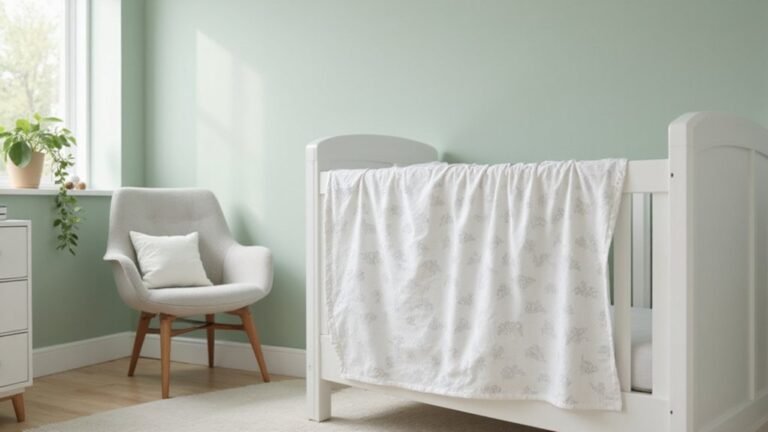
To ensure your drawer glides function properly, test them thoroughly. Opt for full-extension slides so you can access every corner of the drawer easily. Soft-close hardware is essential to prevent slamming, which reduces noise and wear over time. Avoid cheap runners that cause sticking or jerking, as they can damage your drawers and frustrate your family. For a nursery setup, consider pairing your chest with a top-rated crib set that offers coordinated quality and value. For the mattress in that set, look for firm support to align with safety guidelines for infants.
Check safety features like anti-tip hardware, especially on tall or heavy pieces—these prevent the chest from tipping over and are crucial if you have children. Drawer stops are another vital safety element; they stop the drawer from pulling out completely and falling. Rounded edges on the drawers and hardware reduce the risk of snagging or injury, making your furniture safer for everyday use. Verify these details before purchase—your chest’s longevity and your family’s safety depend on it.
The One Mistake That Keeps You From Choosing the Right Piece
Using the correct spelling, “chest of drawers,” is essential for finding the right tall storage cabinet. When you search for “Chester drawers,” your results get filtered incorrectly, hiding many quality options. This misspelling causes search engines and furniture catalogs to overlook the actual product listings, making it harder to compare features like color options and material durability. Additionally, “chest of drawers” specifies a tall, vertical piece that saves floor space, unlike wider dressers. Ensuring you use the right terminology improves your chances of seeing comprehensive, accurate results. Stick with the correct term to effectively evaluate different brands and models, helping you find the piece that fits your needs perfectly. Just as with furniture, proper care of functional items requires regular cleaning and maintenance to extend their lifespan and keep them working well.