

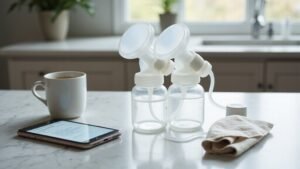
If you’re wondering whether Medicaid will cover your breast pump, you’re not alone. Many new moms ask this question as part of planning for baby care and health costs.
The good news is that in most cases, Medicaid does provide coverage, but details vary by state and plan. Knowing what to expect can help you get the right pump without delays.
Keep reading to find out exactly what you need to know.
Does Medicaid Cover a Breast Pump? The Short Answer (Yes, But It Depends)
Yes, Medicaid often covers a breast pump, but qualification depends on your state and specific plan. Coverage details vary widely because each state sets its own rules for Medicaid programs. Some states cover manual or personal-use double-electric pumps, while others may require a prescription or proof of medical necessity, especially for hospital-grade rental pumps. To maximize your benefits, you should check your state’s Medicaid guidelines for eligibility, timing, and documentation requirements. Be prepared to provide documentation such as a prescription from your healthcare provider, and understand that approval processes differ from private insurance plans. Proper pump maintenance and mastering breastfeeding techniques will help you get the most benefit from your equipment. When reviewing coverage, it also helps to compare the pump’s features against the best swing options for your newborn, as both purchases require evaluating safety and ease of use. Finding the best cover for your car seat, by contrast, is a completely different type of purchasing decision that relies on comparing top options for fit and durability. For storage of pump accessories and supplies, you might also consider a chest with multiple drawers to keep everything organized in your nursery.
How Do I Check My State’s Medicaid Breast Pump Coverage?
Checking your state’s Medicaid breast pump coverage starts by visiting your state Medicaid agency’s website. Look under sections like maternal health, pharmacy benefits, or durable medical equipment to find specific benefit details. Next, verify your plan type—whether you have Fee-for-Service or Managed Care. Your Medicaid member ID card typically shows the program name, such as Medi-Cal or TennCare, and includes a phone number you can call for direct assistance.
Most plans require a prescription from your healthcare provider before you can get a breast pump covered. Without this prescription, you may have to pay out of pocket. Be aware that some Medicaid plans have exceptions that might require prior authorization, which can take up to 10 business days. Make sure to also check if your provider uses an approved supplier network; using an unapproved vendor could delay or deny coverage. For additional support with breastfeeding or to address denied claims, use the helpline listed on your card or gather documentation to appeal coverage decisions.
What Type of Breast Pump Does Medicaid Cover?
Medicaid typically covers manual breast pumps and some double-electric electric pumps, but coverage varies by state. Manual pumps are hand-operated, single-user devices ideal for occasional use or building basic breastfeeding skills. Several states, including New York and Mississippi, include these in their standard coverage.
Double-electric pumps, especially personal-use models that work on both breasts simultaneously, are often considered an upgrade. They are especially useful if you’re returning to work or need to pump frequently, as they save time. While hospital-grade pumps exist, Medicaid normally only covers renting these for medical reasons rather than outright purchase. Always verify your state’s specific rules, because coverage can range from manual-only options to full double-electric models.
When Do You Need a Prescription or Proof of Medical Necessity?
You will almost always need a written prescription from a healthcare provider to get a breast pump through Medicaid. These prescription requirements differ by state, but without official documentation, Medicaid will usually deny coverage, leaving you responsible for the cost. Certain plans may also require proof of medical necessity, especially if you encounter breastfeeding issues such as mastitis or have a preterm infant. An OB/GYN or nurse practitioner can sign the prescription, but states like Louisiana and Mississippi might require additional documentation, such as prior authorization or a note confirming the clinical need for the pump. To prevent delays, include your due date or proof of delivery when submitting the documentation. Failing to provide proof of medical necessity can lead to payment recoupment, so it’s best to get all paperwork in order upfront.
When Can You Get a Medicaid Breast Pump During Pregnancy?
The timing to get a Medicaid breast pump during pregnancy varies by state, but many states allow you to request one as early as 28 weeks or around six months before your due date. Some states, such as New York, permit you to order the pump throughout pregnancy, while others restrict it to a window close to delivery, often 30 days before or after birth. Since policies differ significantly, it’s important to check your specific state’s plan. Just as booster seat guidelines vary by a child’s age and weight, Medicaid breast pump eligibility rules differ by state.
To ensure you get the pump when you need it, coordinate with your healthcare provider during prenatal visits. They can help you understand your state’s rules, assist with the application process, and advise on the best timing—ideally within the third trimester. Be aware that in some states, Medicaid may not release the pump until after your baby is born, even if you request it early. Planning ahead prevents last-minute stress and helps you avoid breastfeeding challenges later on.
What If Your Medicaid Pump Claim Gets Denied or Delayed?
If your Medicaid breast pump claim gets denied or delayed, most issues are caused by fixable paperwork errors rather than outright refusals. Start by reviewing the denial reason listed in your plan notice, as insurers are required to provide an explanation. Common reasons include missing or incorrect documentation, like prescriptions or prior authorization requirements, or supplier details that don’t match their records. Your best approach is to submit documentation appeals: ask your healthcare provider to add a note on medical necessity or revise your prescription to meet coverage criteria. Contact both your Medicaid plan and the DME supplier promptly, as many denials can be resolved through a simple resubmission. If your plan continues to refuse coverage, file an internal appeal, ensuring you include clear records of coverage and medical necessity. For urgent cases, you can request an expedited review. Always pay attention to deadlines listed in your denial notice. Frequently, delays happen because of missing prescriptions or incorrect billing codes, so double-check all information before resubmitting to avoid further issues.
How to Use Your Breast Pump Safely: Cleaning and Fit Tips
To use your breast pump safely, start by washing your hands with soap and water for at least 20 seconds before touching your pump or breast shield. After each session, rinse all parts that contact milk in cool water, then wash them separately with warm water and liquid dish soap. Rinse thoroughly with hot water for 10 to 15 seconds to remove soap residue, then air-dry on a clean towel. The CDC recommends sanitizing all milk-contact parts, including the pump flange, at least once daily to prevent bacterial growth and ensure safety. For optimal performance, inspect parts regularly for wear and replace them according to the pump manufacturer’s guidelines to keep flanges and valves working well. For even more thorough cleaning, consider using a dedicated steam sterilizer to ensure all crevices are fully sanitized. Similarly, keeping your child rear-facing for longer is a critical safety measure that protects their developing spine and neck in a crash.