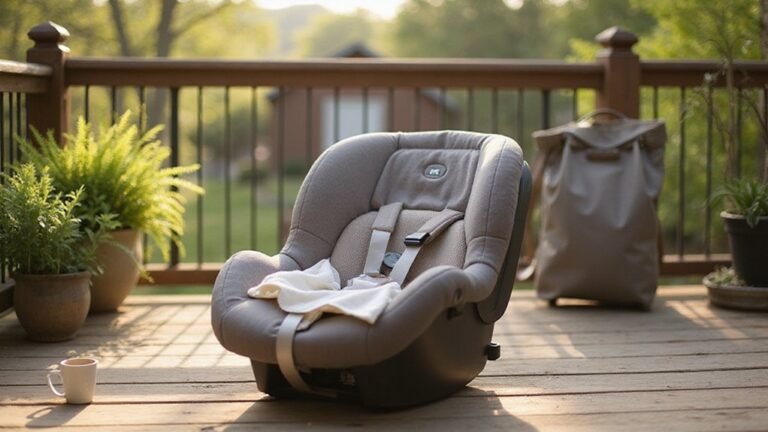


Wondering how long your baby can safely stay in an infant car seat? The general rule is no more than 30 minutes for newborns under four weeks, and about two hours for older infants.
But safety always comes first. Proper harness fit, recline angle, and supervision are more important than sticking rigidly to the clock.
Keep reading for the full details to keep your little one safe on trips.
Is the 2-Hour Rule Real?
The 2-hour rule is a safety guideline, not an absolute law. It suggests that you should limit your baby’s time in an upright position, such as in a car seat, to about two hours at a stretch. This recommendation aims to reduce risks like restricted airflow, spinal strain, or discomfort that can occur during extended periods in semi-upright seating. It’s important to note that this rule is not a strict medical standard but rather a convention adopted from car-seat manufacturers and pediatric safety advice. This caution mirrors advice for wearable breast pumps, where proper positioning ensures efficient milk removal and prevents discomfort. Similarly, when selecting a mobile crib for your baby, ensuring proper fit and safety features can help prevent similar risks during rest. For feeding time at home, consider a chair that is specifically designed for comfort and convenience to support your baby’s posture while awake.
The primary concern is ensuring your baby’s comfort and safety, especially before reaching key developmental milestones such as sitting unassisted or gaining full head control. For nighttime sleep, it’s critical never to leave your infant unsupervised in a car seat—the risk of suffocation or positional asphyxia has been linked to numerous pediatric deaths. While the 2-hour guideline isn’t a hard cutoff, regularly taking breaks or changing positions and limiting continuous sitting in a car seat every couple of hours is a prudent measure to help prevent potential harm.
Why Newborns Need a 30-Minute Car Seat Limit
Newborns should not spend more than 30 minutes continuously in a car seat. This guideline is based on a pilot study indicating that after about an hour, newborns can experience lowered blood oxygen levels and increased heart rates due to their weak neck control. Limiting time in the seat helps prevent positional asphyxiation, which can occur if their head slumps forward and blocks their airways. This rule mainly applies to babies under four weeks, especially those who are premature or have a low birth weight. Keep in mind that this is a precaution rather than a strict regulation, as research on this topic remains limited. It’s important to remember that car seats are meant for travel, not for extended naps or lounging. For your baby’s safety and development, keep their time upright during travel short and prioritize supervised tummy time outside the seat to support their growth. When using the car seat for travel, always ensure you have the right crib sheet for the bassinet or carrycot if your infant is transferred to a flat sleeping surface at your destination. While selecting a car seat, consider independent reviews that highlight a perfect fit to ensure the seat properly supports your infant’s head and neck during travel. Choosing a car seat that coordinates with a nursery’s crib set with dresser can make transitioning your baby to a safe flat sleeping area at home more convenient.
How Long Can Older Infants Stay in a Car Seat?
Older infants with improved neck control, around 4 to 6 months, can stay in a car seat for up to 2 hours continuously. This duration is the maximum recommended stretch before taking a break, not your daily limit. Long trips should include planned stops every 2 hours, where you pull over and let your baby stretch for about 15 minutes. This helps improve circulation and comfort. When choosing a seat, consider the best Britax models known for their safety and ergonomic support. If the car seat feels stuck during installation, refer to folding crib sheets troubleshooting tips for similar fabric maneuvering techniques. Just as you would clean the playpen mat regularly to maintain a hygienic environment, you should also wipe down the car seat fabric to prevent buildup of dirt and germs.
Ensure your car seat is in good condition, not expired or damaged, before extending the time in it. While accessories like head supports or inserts can assist with posture, they do not replace the need for regular breaks. After 6 months, stronger neck control reduces airway risk, making comfort the main concern. However, even at this stage, maintaining a 2-hour stop cadence remains essential. Always prioritize movement on long journeys, regardless of age.
What the NHTSA Says About Car Seat Time Limits
NHTSA does not set a specific time limit for how long your infant can stay in a car seat. Instead, its safety focus is on proper fit, correct seat type, and installation. It is recommended to keep your child rear-facing as long as possible, until they surpass the manufacturer’s height or weight limits. NHTSA’s guidance is based on fit, not time. You should always follow the instructions in the car seat manual and your vehicle owner’s manual instead of tracking minutes. For children under age 1, rear-facing is required. It is important to remember that there is no official “2-hour rule” from NHTSA. Using the appropriate restraint for each trip based on your child’s size and the seat’s fit is always safest. The primary reason for this recommendation is that rear-facing seats better protect a child’s head, neck, and spine during a crash.
What Happens When a Baby’s in a Car Seat Too Long?
Keeping your baby in a car seat for more than two hours at a time can pose serious health risks. Prolonged semi-upright positioning restricts airflow, especially when your baby’s head falls forward, which can cause oxygen levels to drop and lead to breathing problems or suffocation. Additionally, extended pressure from the car seat materials on your baby’s soft skull increases the risk of flat head syndrome and positional torticollis. Staying in the seat too long can also contribute to “container baby syndrome,” which delays motor development such as rolling and crawling. The right mattress for pack n play provides a firm, flat surface that supports safe sleep while preventing similar positional risks. Manufacturer warnings generally recommend limiting car seat use to two hours within a 24-hour period because exceeding this duration can significantly compromise your baby’s respiratory health and development, especially for newborns and preemies who have weaker neck muscles and less control over their head movements. For longer outings, switching to a stroller for newborns provides a safer, flatter position that supports healthy breathing and development. Selecting a storage piece like a chest of drawers with multiple drawers ensures your baby’s essentials are organized, reducing the need for prolonged container use during daily routines.
How to Keep Your Baby Safe: Angle, Harness, and Supervision
To keep your baby safe in the car, focus on three key areas: the correct recline angle, a snug harness fit, and constant supervision. First, set the recline angle according to the manufacturer’s instructions—an overly upright position can block your baby’s airway, while too reclined a position can cause slumping. Ensure the seat is at the proper angle to keep your baby’s head from falling forward or backward.
Second, verify that the harness fits snugly and properly. It should lie flat without twists, pass at or just below your baby’s shoulders when rear-facing, and hold no slack when you pull gently. Use the pinch test: if you can pinch any excess webbing, tighten the harness. The chest clip should be at armpit level to prevent slipping during a crash. Avoid adding toys or extra padding, as these create choking hazards and can compromise crash protection.
Finally, constant supervision is critical. Always check that the harness remains tight throughout the trip, especially after sharp turns or sudden stops. Never leave your infant alone in the seat, whether in the car or outside, particularly in the bathroom or other unsafe areas. The back seat, especially the center position, is the safest spot, providing maximum protection in case of a collision. When you reach your destination, move your sleeping baby to a crib as soon as possible to ensure continued safety.
Long Trips: When to Stop and What to Do
For long car trips, plan a break every two hours. This timing aligns with guidance from HealthyChildren and NHS to ensure your baby stays comfortable and safe. During each stop, remove your baby completely from the seat for feeding, diaper changes, and stretching. Take your time—allow your baby to rest outside the seat rather than rushing through the stop.
For overnight trips, you can extend these intervals to every four to six hours if your baby sleeps soundly. Preparing for stops in advance helps keep everything efficient; pack bottles and snacks handy so you’re not scrambling. Travel accessories like a portable changing pad and a seat organizer can make these breaks smoother.
Pay close attention to your baby’s cues. If you notice their chin dropping toward their chest, it signals fatigue or discomfort, so stop immediately to reposition or address their needs. Keep your itinerary focused on short driving segments, and always have a second adult in the back seat to monitor your baby’s well-being and ensure safety throughout the trip.
Can You Let a Sleeping Baby Stay in the Car Seat After the Trip?
You should never leave your sleeping baby in the car seat after a trip. Once outside the vehicle, the seat can tilt or shift, causing your baby’s head to slump forward and potentially block their airway. This position increases the risk of positional asphyxiation, which can be life-threatening. Think of it this way: a car seat is designed for use in a vehicle, not as a substitute for a crib. Your baby needs a firm, flat surface—like a crib or bassinet—for safe sleep. Even if your baby wakes up, it’s best to transfer them promptly from the car seat. Supervised naps in the car seat are acceptable during travel but should not become routine for post-trip sleep. Instead, you should prioritize finding an affordable infant car seat designed for safe and secure vehicle travel. Never leave your baby unattended in a car seat for extended periods, as their breathing and development are better protected in a safe, flat sleeping environment. Prioritize their safety over convenience at all times.
Quick Reference: Car Seat Time Limits by Age Group
For newborns up to 4 weeks old, limit car seat trips to about 30 minutes at a time. Their weak neck control makes shorter durations crucial for safety. You should avoid relying on car seat accessories to extend this limit, as they can’t eliminate the inherent risks of prolonged sitting in a seat that isn’t suited for their developmental stage.
From 1 month to 1 year, the recommended maximum is 2 hours of continuous travel. This limit applies to each trip and should not be exceeded within any 24-hour period, even if your baby is sleeping. To ensure safety and comfort, plan regular breaks every two hours to take your baby out of the seat, reducing pressure on their developing neck and spine and giving them a chance to move and stretch. Always check the seat expiration date and weight limits to avoid using an unsafe car seat.