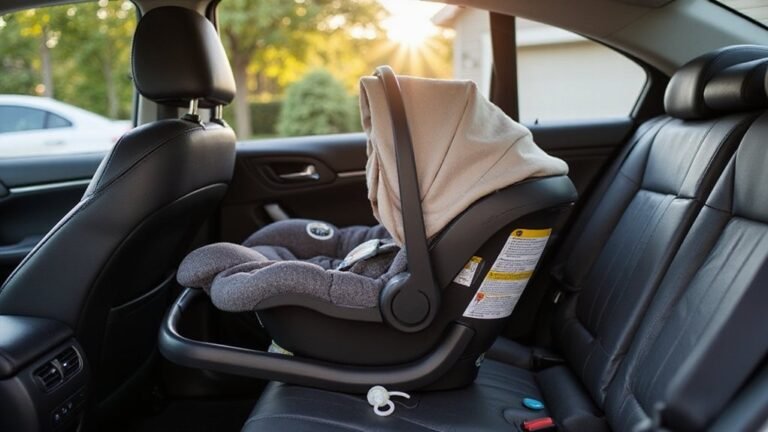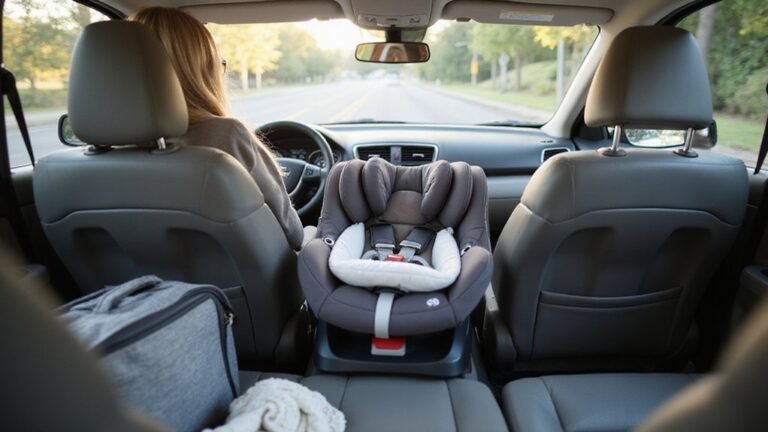


Wondering how long your child should stay rear-facing in their car seat? Many parents assume it’s just until age two, but the real guidance is based on size, not age.
Most kids can safely remain rear-facing until they reach the seat’s weight or height limit, which is often around three or four years old.
Keep reading to find out the signs it might be time to switch and why keeping them rear-facing is safer.
How Do You Know When Your Child Actually Outgrows Rear-Facing?
Your child actually outgrows rear-facing when they reach the maximum weight limit or their head is no longer at least one inch below the top of the seat shell. Most convertibles allow kids to stay rear-facing past their second birthday, often up to 40–50 pounds. To check fit, look at your child’s head: the top of their head must remain at least one inch below the seat’s shell top. This head position is more important than overall height for longer-torso children. Spinal cord protection is the main reason this position is safest, as rear-facing distributes crash forces across the seat shell rather than the neck. For infants in a bassinet, ensuring a proper fit with the best fitted sheets helps maintain a safe sleep environment. Choosing a car seat with a durable car seat cover can also help protect the shell and keep the seat clean during extended rear-facing use.
Always verify both the weight limit and the head clearance in your car seat manual and on the seat’s label. If your child approaches either limit, it’s time to switch to the next stage forward-facing seat.
Why the “Age 2” Rule Isn’t the Best Advice Anymore
The “age 2” rule is no longer recommended. The American Academy of Pediatrics no longer suggests switching from rear-facing to forward-facing at a specific age. Instead, they advise keeping children rear-facing as long as possible, up to the seat’s height or weight limits. This change happened because the old rule wasn’t supported by strong scientific data. Rear-facing seats provide better support for your child’s head, neck, and spine during a crash. Because of this, you should not rush to turn them forward based solely on age. To make rear facing more comfortable, consider using accessories like a padded insert or footrest, but avoid aftermarket products that could compromise safety. Similarly, when using a wearable breast pump, always check that the flanges fit properly to avoid discomfort and inefficiency. Heating formula in a bottle warmer follows similar safety principles: always use the device according to its instructions to avoid hot spots that could burn your baby. Ultimately, the manual’s instructions, not your child’s age, determine when it’s time to switch to a different seat. For additional safety, you can also review best high chairs for tips on choosing secure seating options.
Are Cramped Legs a Problem in a Rear-Facing Car Seat?
Cramped legs in a rear-facing car seat are not a safety concern. While your child’s legs may appear bent or pressed against the seatback, this positioning is perfectly normal and does not compromise safety. Children can sit comfortably with their legs crossed, bent, or propped up—they tend to be naturally flexible and rarely complain about discomfort from limited space. The primary safety advantage of rear-facing seats is that they cradle the child’s body and absorb crash forces, so minor contact between the legs and the seatback is not an issue. Legs touching or slightly bent against the seatback do not cause injury or pose a risk. The actual factor to consider is whether your child’s weight or height exceeds the seat’s limits, not how much space their legs seem to have. Just as a safe sleep environment is guided by strict safety standards, the design of car seats is engineered to prioritize protection over perceived comfort. Understanding your car seat’s expiration date is crucial to ensuring it remains effective for crash protection. Trust in the design of these seats: brief periods of bent-leg sitting during rides are safe, and prioritizing your child’s safety by keeping them rear-facing until they reach the seat’s limits offers the best protection. Just as a bottle warmer uses consistent temperature settings to safely warm milk without overheating, a car seat’s design ensures safety by meeting strict engineering standards for crash protection.
What It’s Like Keeping Your Child Rear-Facing Past Age 2
You can often keep your child rear-facing beyond age 2, sometimes through age 3 or even 4. Many families choose to do so because it’s a safer position—supported strongly by the AAP and NHTSA—reducing the risk of head and neck injuries in a crash. As your child grows, their weight and height will determine when they reach your seat’s maximum rear-facing limits, which are usually 35, 40, or 50 pounds. When your child’s size approaches these limits, it’s time to consider switching to a forward-facing seat. Until then, the seat is designed to comfortably support your child in the rear-facing position, even though they may appear more compact. Staying rear-facing longer is a proven safety practice, with many families choosing to keep their children rear-facing through age 3 or 4 for added protection. To help your child remain comfortable during warmer weather, consider using a stroller fan to enhance airflow in the car. Just as with crib mattresses, where safety and lifespan are key considerations, rear-facing car seats prioritize safety over convenience. For organizing all the extra gear a growing child requires, a chest of drawers can help keep your space tidy and efficient.
What Comes Next After Rear-Facing Limits Are Maxed Out
Once your child exceeds the rear-facing weight or height limits listed in the seat manual, you should move to a forward-facing car seat with a harness and top tether. Confirm that the new seat’s weight limit surpasses your child’s current weight and the seat’s height limit accommodates their growth. The harness should be fitted snugly, with the straps at or just above your child’s shoulders. Do not switch to a booster until your child outgrows this forward-facing harness seat based on height or weight. Always follow the manufacturer’s instructions carefully—age alone is not the guideline. The goal is to keep your child in a harnessed seat as long as possible, generally until they reach 40 to 65 pounds. Expert guidance emphasizes that age and weight signs are the primary indicators for making a change. Consider a grow with me infant car seat if you want a seat that adapts to your child’s development from infancy through multiple stages. Many parents also use a pack n play as a safe sleep and play space for their infant during this same period. Once they outgrow the harness seat, a booster helps position the vehicle belt correctly across their body for continued safety.