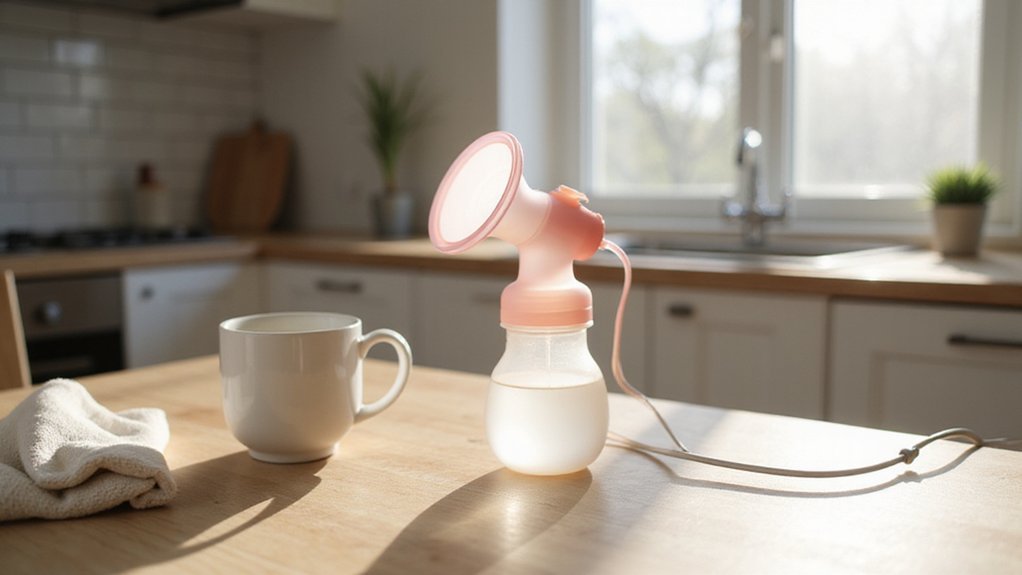
Are you wondering if your insurance will cover a breast pump? Many plans are required to pay for a standard double electric pump at no cost, but there can be limits.
You might need a prescription, use specific brands, or choose certain suppliers.
Keep reading to get the full details on what to expect and how to navigate your coverage.
What the ACA Mandates for Breast Pump Coverage
The ACA mandates that non-grandfathered health plans, including Marketplace options, cover breastfeeding support services at no cost to you. This means you are entitled to a breast pump without any cost sharing, such as deductibles, copays, or coinsurance. Coverage applies to each birth, and you can access these benefits for the entire duration you breastfeed. The coverage includes double electric pumps, along with necessary parts, maintenance, and milk storage supplies. Depending on your plan’s rules, you may have the option to rent or buy the pump. Some plans might require pre-authorization or a provider’s recommendation, but the ACA guarantees your access to essential breastfeeding support entirely free of charge. Just as you need a pump that fits your needs, choosing a perfect fit for your car seat cover ensures comfort and protection for your vehicle. For storage organization, you may also want to consider a best chest of drawers with multiple drawers for your space.
Why Your Plan Might Not Cover the Pump You Want?
Your plan might not cover the pump you want because insurance limitations often specify which models are included. Most plans only cover a standard electric breast pump designed for personal use. Manual pumps, hospital-grade models, and hands-free or wearable pumps are usually excluded as coverage gaps or upgrades not covered by insurance. Additionally, insurance may restrict you to purchase only through certain approved suppliers, meaning retail stores are off-limits. If you buy outside the network, you’ll be responsible for the full cost yourself. You typically only get one covered pump per pregnancy, so ordering a second one can mean paying out of pocket again. If you need a sterilizer, check whether your plan covers top sterilizer options, as some suppliers include them as part of the package. Some plans also only offer rental units or restrict when you can get your pump, limiting your options based on your plan’s rules rather than your personal preference. Even with a covered pump, you may still need to pay extra for a wearable breast pump if your family prefers its portability for everyday use.
What Paperwork Is Required for Pump Coverage
To ensure your pump is covered, you need to submit the correct paperwork. Your supplier will use billing codes like E0603 for a standard electric pump to bill your insurance plan properly. If you’re purchasing the pump outside of a direct billing arrangement, you will need to submit a claim form along with an itemized receipt and the prescription from your healthcare provider. Some insurance plans also require prior authorization before approving coverage. Additionally, a letter of medical necessity may be needed to justify why you need the specific pump.
Keep copies of all documentation, including proof of payment, approval letters, and correspondence with your insurance company. These records are crucial in case you need to file an appeal or follow up on your claim later. Being organized and thorough with your paperwork can help avoid delays and ensure you receive the coverage you’re entitled to.
Buy or Rent: How Insurers Decide Your Breast Pump
Whether your insurer covers a breast pump as a purchase or a rental depends primarily on your medical needs and your plan’s specifics. Typically, your benefit is processed through rules for durable medical equipment, which can make billing more complex. If your baby stays in the NICU after you leave the hospital, you will generally receive a rental, as this is a short-term, medically necessary situation. Conversely, if purchasing the pump is more cost-effective than renting over the long term, your insurer may approve a purchase instead. Just as breathable crib mattresses prioritize airflow for a baby’s safety and comfort, your insurer may prioritize the most cost-effective and medically appropriate pump option. Keep in mind that rental coverage usually ends once your baby is discharged from the hospital. You should also consider equipment maintenance—rentals often include maintenance and repairs, while purchasing shifts that responsibility to you. Always review your plan’s policy limits before making a decision.
Which Pump Types Are Covered: and Which Aren’t
Most ACA-aligned plans cover double electric breast pumps, like Medela or Spectra, at no cost to you. Coverage for other pump types varies significantly by insurer. Manual pumps may be covered as a budget-friendly alternative, but UnitedHealthcare often excludes them altogether. Hospital-grade pumps, such as the Medela Symphony, typically require rental and a prescription indicating medical necessity. Wearable or hands-free pumps are not consistently covered; many plans consider these premium upgrades and require you to pay the difference. Single electric pumps are less commonly covered and are usually considered specialized. For pump maintenance and accessories, don’t assume coverage—check your plan’s catalog because even replacement parts might not be included. Always verify what’s covered before making a purchase. When selecting a pump, remember that a firm mattress in your baby’s crib is also essential for safe sleep practices. When reviewing coverage, consider that stroller wagons often come with higher price tags but offer better value for outdoor use. For families who travel frequently, a portable bassinet may be a more appropriate alternative to bulky pumps for overnight trips.
One Pump Per Pregnancy? Supplier Limits Explained
Most insurance plans follow a “one pump per pregnancy” policy. This means you generally receive only a single covered pump for each pregnancy. Ordering from multiple suppliers won’t increase your coverage because your insurer tracks claims using your member ID. Attempting to get more than one pump from different vendors will likely result in paying out of pocket for the additional device. For those who need a portable solution, the best canopy for your car seat can offer shade and coverage while traveling with your baby. A new pregnancy typically resets your eligibility for another pump. However, if your coverage is based on a yearly limit rather than per pregnancy, two pregnancies close together may still only qualify for one pump. To get a second pump during the same pregnancy, you’ll need a medical exception or a replacement if your first pump is defective. Planning your breastfeeding schedule with this rule in mind can help ensure you have the necessary equipment. Usually, one pump per baby is allowed, so maintaining and caring for your pump is crucial to keep it functioning effectively throughout your breastfeeding journey. Some parents also find it helpful to compare baby monitor features like comfort and usability when choosing additional baby gear. For parents who travel frequently, a lightweight car seat can make transporting your baby much easier.
5 Questions to Ask Your Insurer Before Ordering a Pump
Before ordering a breast pump, ask these five questions to ensure your coverage is clear and your costs are predictable. First, find out which pump types and brands are covered—manual, electric, or hospital-grade rentals. Comparing these options helps you avoid ordering a model that’s not eligible for your insurance benefits. Just as choosing a car seat involves weighing safety ratings and harness quality, knowing your pump options ensures you select a covered model. Second, check if you need a prescription or prior authorization. Get written confirmation to avoid claim denials later on. Third, verify whether you must use a specific durable medical equipment (DME) supplier. If not, ask about the reimbursement process for retail purchases, so you know how to proceed if you buy elsewhere. Fourth, clarify your cost-sharing details, including any dollar caps, copays, and whether replacement parts are covered under your plan. Understanding these costs upfront can prevent surprises. Fifth, ask when you can order your pump. Some insurance plans require waiting until after the birth, and timing restrictions may limit how often you can get replacements. For exclusive pumping, reviewing the best breast pump options can help you choose a model that aligns with your plan’s coverage. Being clear on these points helps you secure your coverage smoothly. For example, just as folding a Graco jogging stroller requires careful attention to the release points to avoid damaging parts, confirming these insurance details with your insurer prevents costly mistakes.